
Wearables, siloed
Every reading tied to the person who wore the device.
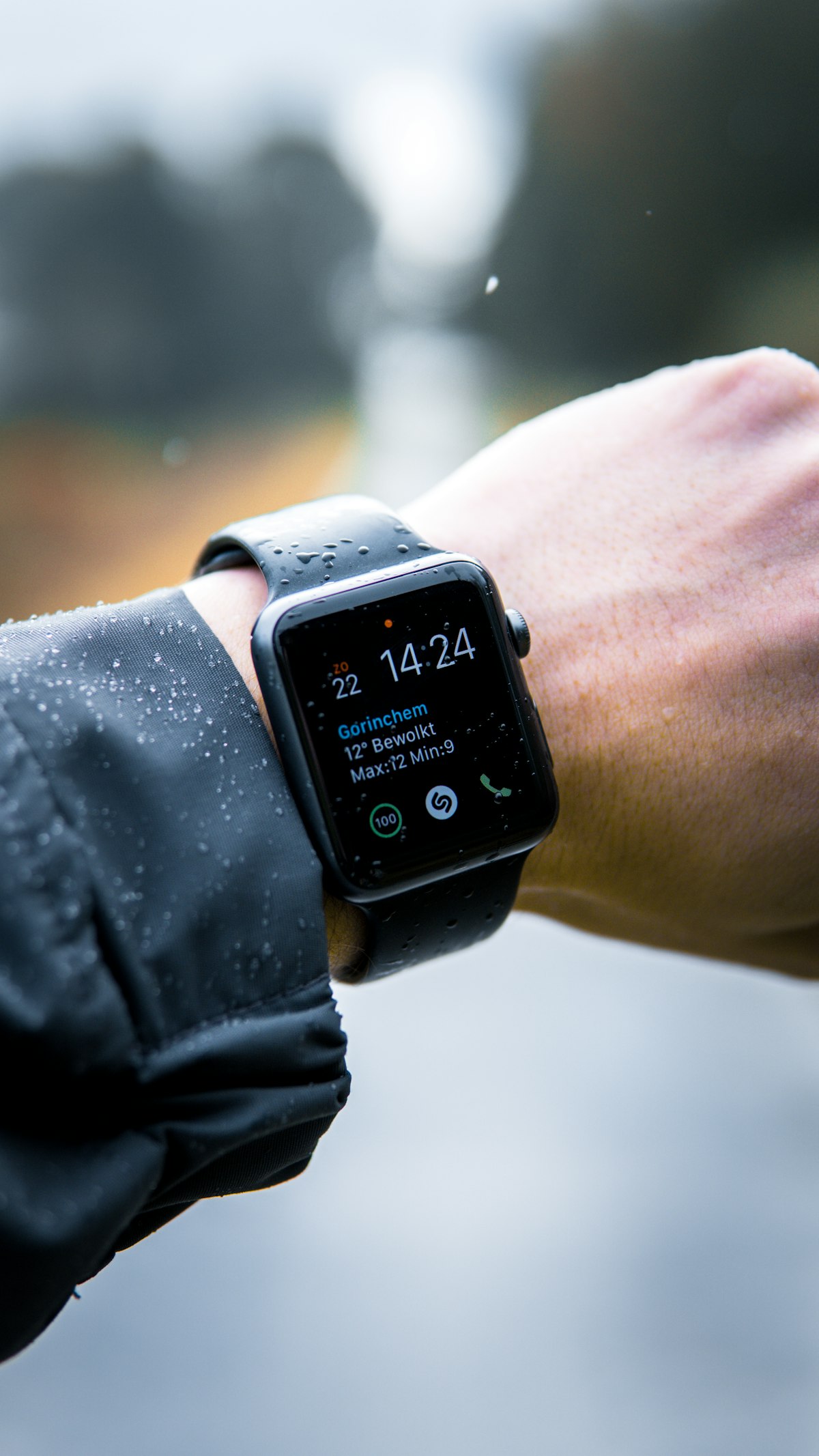
Fitbit, Apple Health, Google Health, and Health Connect all sync per patient — never the caregiver. Your mom's steps and your dad's steps stay in their own graphs.
- Fitbit + Google Health OAuth, one connection per patient.
- Apple Health + Health Connect for native reads.
- Idempotent dedupe on (patient, source, kind, recorded_at).
- Every legacy row auto-attributed to the primary patient on migration.
How wearable data becomes useful
A watch that counts steps is not a caregiving tool. A watch that tells you Mum has stopped leaving the house is.
Connect Apple Health, Fitbit, Google Health Connect or a supported blood-pressure cuff and KinBridge keeps the readings that matter for an older adult: activity, resting heart rate, sleep, weight and blood pressure. We store trends rather than a wall of raw numbers, because a single reading almost never changes a decision and a four-week drift almost always does.
Trends turn into plain-language signals. Activity down sharply for ten days, weight climbing steadily after a heart-failure diagnosis, or nights getting shorter and more broken — each one arrives as a short note explaining what changed and over what period, not a red alert that frightens everyone at 2am.
That context travels with you. When you sit down in front of the cardiologist, the last three months are already summarised, and if a claim is later denied as “not medically necessary,” the same trend data can be attached to the appeal as evidence.
Connections are yours to break. Disconnect a device at any time and we stop receiving new readings immediately; you choose whether to keep or delete the history.
Frequently asked questions
- Which devices are supported?
- Apple Health and Fitbit are supported today, along with Google Health Connect on Android and a growing list of Bluetooth blood-pressure cuffs and scales.
- Is this a medical alert system?
- No. KinBridge highlights trends to help you plan and advocate. It is not a monitoring service and does not call emergency help.
- Does the care recipient have to wear something all day?
- No. Wearables are optional, and the trends are useful even from intermittent wear or from cuff readings taken a few times a week.
- Can insurers see this data?
- Only if you choose to attach it to a claim or appeal. Nothing is shared with an insurer or an employer automatically.